
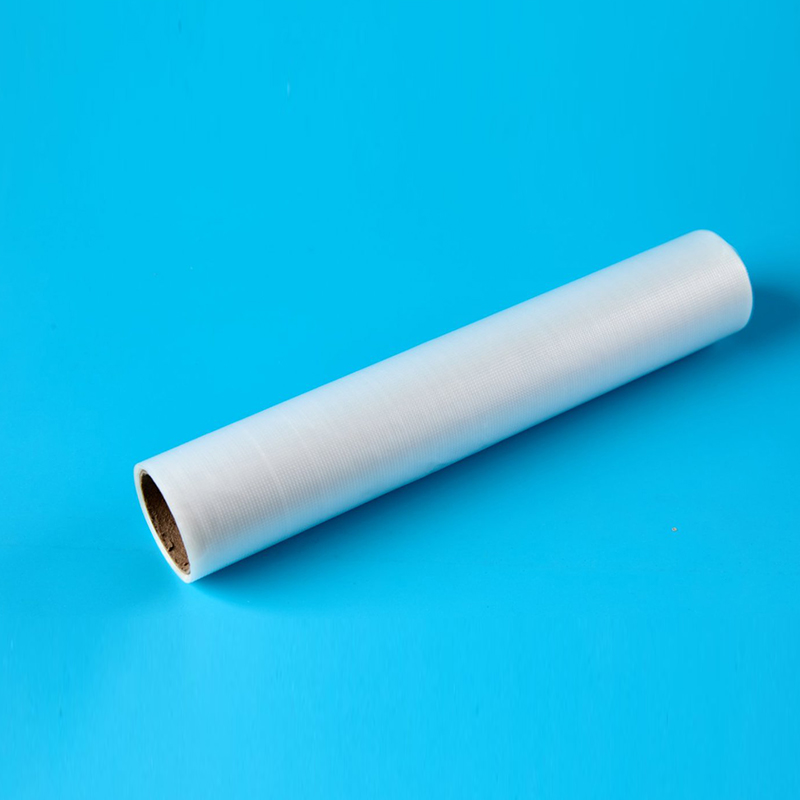

Core Characteristics of Embroidery Hot Melt Adhesive Films: How to Improve Adhesion and Durability on Textiles?
Core Characteristics of Embroidery Hot Melt Adhesive Films
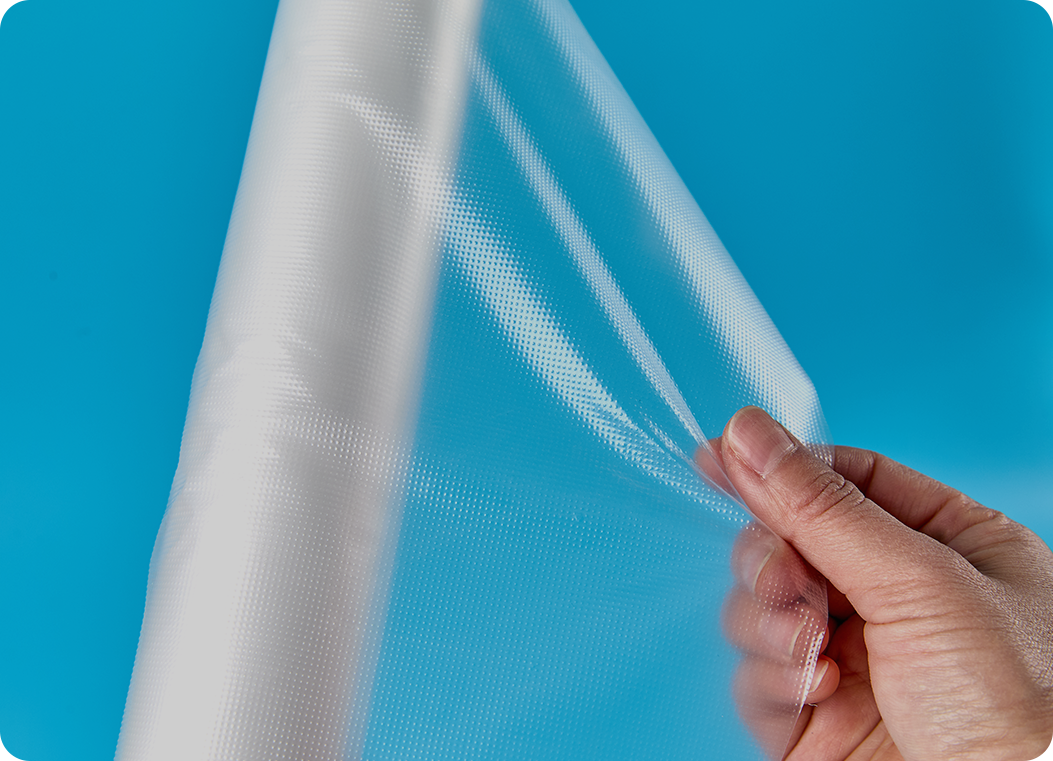
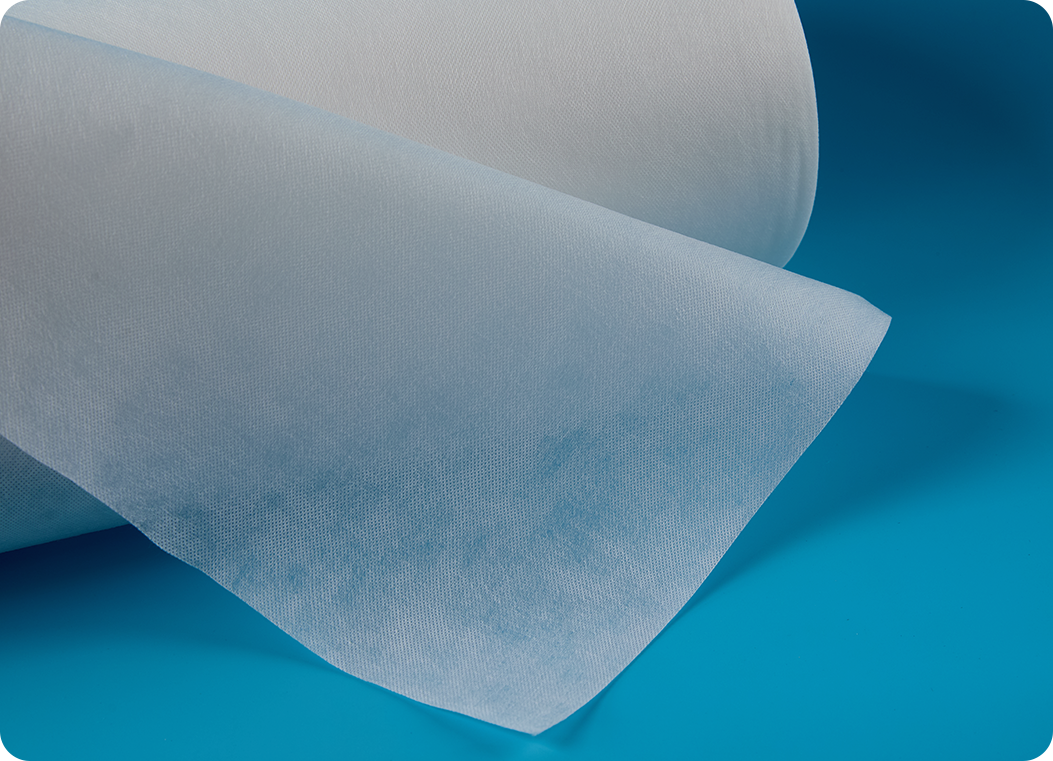
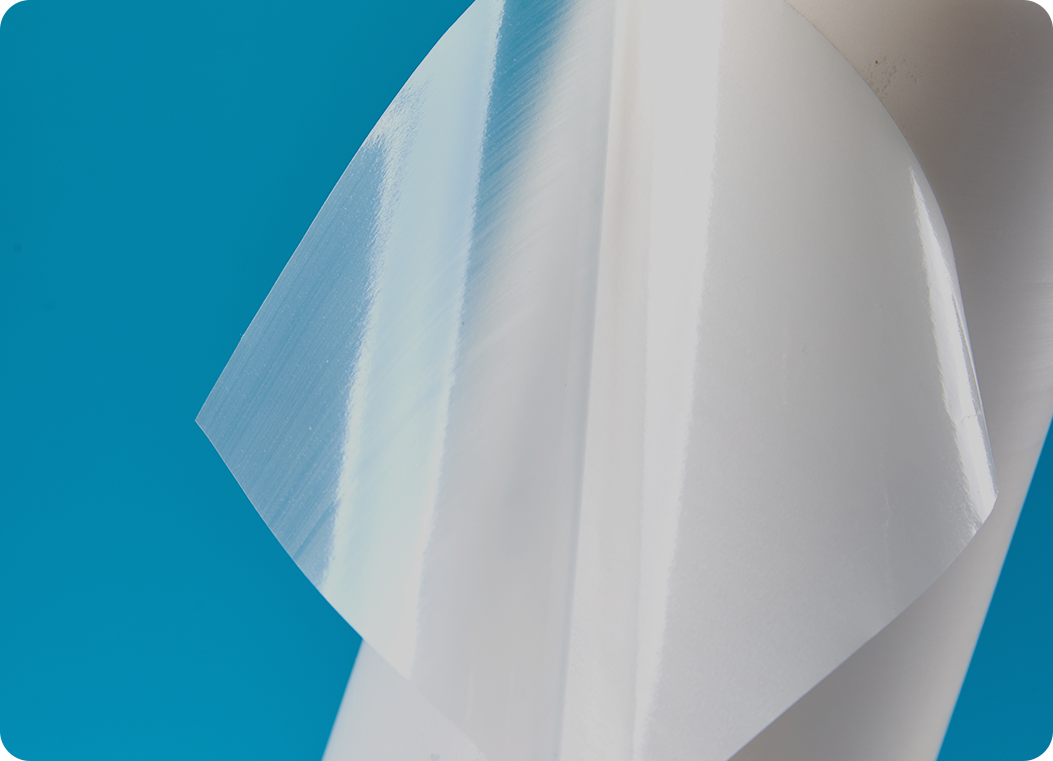
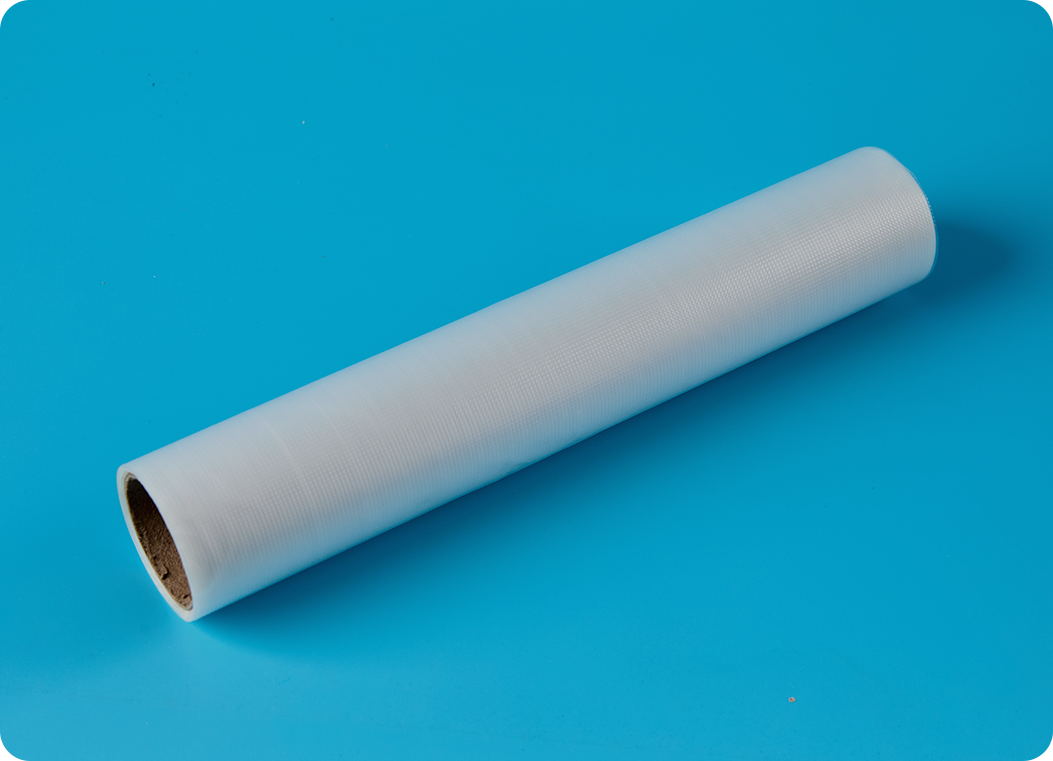
Embroidery hot melt adhesive films represent a specialized class of thermoplastic bonding materials engineered specifically for textile applications. These advanced polymer systems combine unique rheological properties with textile-specific adhesion characteristics to deliver reliable performance during both the embroidery process and subsequent product use. The fundamental properties that define high-performance embroidery adhesives include precise thermal activation profiles that allow melting within fabric-safe temperature ranges while maintaining sufficient melt viscosity to prevent bleed-through, balanced viscoelastic behavior that accommodates fabric drape and movement without cracking or delamination, and specialized surface energy characteristics designed to wet out and bond effectively with diverse textile substrates ranging from delicate silks to technical performance fabrics.
Optimizing Adhesion Performance on Textile Substrates
Achieving optimal bonding performance requires a comprehensive understanding of the complex interactions between adhesive formulations and textile surfaces. Surface preparation plays a critical role, as residual spinning oils, fabric softeners, or other textile treatments can significantly impair adhesion. Implementing proper thermal management during application is equally vital, where the heating profile must account for both the adhesive's melt characteristics and the textile's thermal conductivity to ensure complete activation without thermal degradation. Pressure application parameters must be carefully calibrated to balance sufficient adhesive flow into the fabric structure with the need to maintain dimensional stability, particularly for stretch or delicate materials where excessive compression could alter the fabric's hand or appearance.
Enhancing Long-Term Durability in Demanding Applications
The long-term performance of adhesive bonds in textile applications depends on addressing multiple potential failure mechanisms through material selection and process optimization. For wash durability, advanced polymer formulations incorporate carefully balanced cross-linking densities that resist hydrolysis while maintaining necessary flexibility. Environmental stability requires consideration of UV resistance for outdoor applications, where specialized stabilizer packages prevent polymer degradation from sunlight exposure. In technical textile applications, the adhesive system must maintain performance across wide temperature ranges while withstanding mechanical stresses from flexing, abrasion, and repeated laundering cycles. These demanding requirements often lead to the development of customized adhesive formulations that combine base polymers with specialized additives to address specific end-use conditions while maintaining processability during embroidery operations.
Specialized Considerations for Diverse Textile Categories
Different textile categories present unique challenges that require tailored adhesive solutions. Delicate fabrics such as silk or lace demand ultra-low application temperatures and precise viscosity control to prevent strike-through while maintaining sufficient bond strength. Technical textiles used in performance apparel often incorporate hydrophobic coatings that necessitate specialized surface treatments or high-surface-energy adhesive formulations to achieve adequate wetting and bonding. Stretch fabrics require adhesives with carefully matched elastic moduli to prevent bond failure during repeated elongation while maintaining the fabric's inherent flexibility. Each application scenario benefits from a systematic approach to adhesive selection and process optimization that considers both the immediate bonding requirements and the long-term performance expectations of the finished product.
The development of effective embroidery adhesive solutions ultimately requires a holistic approach that integrates material science, textile engineering, and process technology to deliver reliable performance across diverse applications. By understanding the fundamental interactions between adhesive chemistries and textile substrates, manufacturers can develop optimized bonding systems that meet both functional requirements and quality expectations in demanding embroidery applications.




